



Lip balm is one of those beauty essentials I never leave the house without. Whether it is the middle of a brutal winter or the peak of a scorching summer, having a reliable lip balm in your pocket can make all the difference. Over the years, I have discovered that this small but mighty product does much more than just add a hint of moisture to your lips.
Your lips are unique. Unlike the rest of your skin, they do not have oil glands. This means they lack the natural ability to lubricate themselves, making them far more prone to dryness, cracking, and environmental damage. A quality lip balm steps in to fill that gap. Here are ten compelling reasons why you should make lip balm a part of your daily routine.
1. Keeps Lips Moisturized
The primary benefit of using lip balm is its ability to keep your lips moisturized. Since lips lack oil glands, they depend on external hydration to stay soft and supple. A good lip balm provides the necessary moisture to prevent your lips from drying out and cracking.
According to the Cleveland Clinic, lip balms do not add moisture to your lips. Instead, they work to lock in the moisture that already exists in your skin. The coating you apply creates a seal to keep moisture from escaping. Dr. Melissa Piliang, a dermatologist at Cleveland Clinic, recommends choosing ointment-based products containing petrolatum, glycerin, or mineral oil, as these work to heal skin cracks in addition to maintaining moisture.
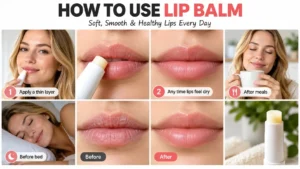
How to use: Apply a thin layer whenever your lips feel dry or chapped, ideally after meals and before bed.
2. Protects Against Environmental Damage
Your lips are constantly exposed to environmental factors such as wind, cold, and UV rays. Lip balm acts as a protective barrier, shielding your lips from these harsh elements. This protection is particularly important during winter when cold air can cause severe dryness and cracking.
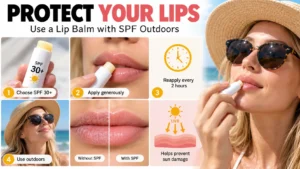
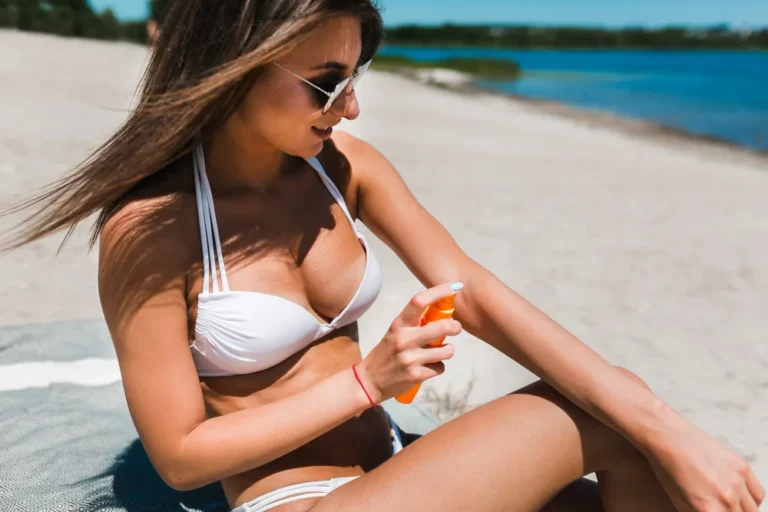
How to use: Look for a lip balm with SPF if you are spending time outdoors. The American Academy of Dermatology recommends using a lip balm with an SPF of 30 or higher and reapplying it every two hours while outdoors. SPF 30 blocks 97 percent of UVB rays, and chronic sun exposure can cause a precancerous condition called actinic cheilitis.
3. Prevents Chapped Lips
Chapped lips can be painful and unsightly. Regular use of lip balm helps prevent the onset of chapped lips by maintaining the moisture barrier. This is especially useful in dry climates or during winter months when the air lacks humidity.
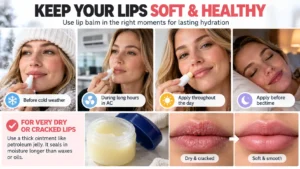
How to use: Apply a generous amount before heading out in cold weather or when you are in air-conditioned environments for long periods. Board-certified dermatologist Noëlle Sherber, MD, FAAD, advises applying lip balm throughout the day and before you go to bed. If your lips are very dry and cracked, try a thick ointment such as petroleum jelly, which seals in moisture longer than waxes or oils.
4. Heals Cracked Lips
If your lips are already cracked, a healing lip balm can help restore them to their smooth, soft state. Look for balms with ingredients like shea butter, coconut oil, or beeswax, which are known for their healing properties. Health.com reports that dermatologists recommend products made with hyaluronic acid, petroleum jelly, beeswax, shea butter, and vitamin E to hydrate lips.
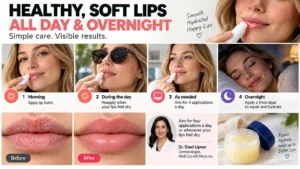
How to use: Apply a thick layer of healing lip balm overnight to repair and hydrate cracked lips while you sleep. Dr. Shari Lipner, a dermatologist at Weill Cornell Medicine, suggests aiming for four applications a day or whenever your lips feel dry.
5. Enhances Lip Color
Many lip balms come with a tint that can enhance your natural lip color. This is perfect for those days when you want a bit of color without the heaviness of lipstick. Tinted lip balms often contain hydrating ingredients, so your lips stay nourished while looking great.
How to use: Apply tinted lip balm in place of lipstick for a natural look with added moisture.
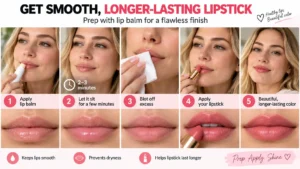
6. Provides a Smooth Base for Lipstick
If you wear lipstick, applying lip balm beforehand can create a smooth base, ensuring your lipstick goes on evenly. This prevents lipstick from settling into cracks or fine lines, resulting in a more polished look.
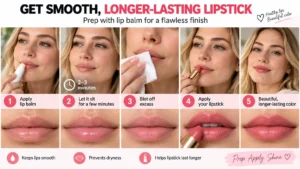
How to use: Apply lip balm, let it sit for a few minutes, and then blot off any excess before applying lipstick.
7. Adds a Glossy Finish
For those who prefer a glossy look, lip balm can double as a natural-looking gloss. Applying lip balm over your lipstick can add a subtle sheen and keep your lips feeling soft and hydrated throughout the day.
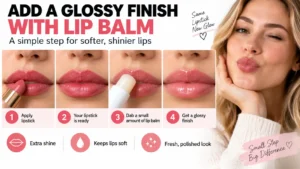
How to use: Dab a small amount of lip balm on top of your lipstick for a glossy finish.
8. Prevents Premature Aging of Lips
The skin on your lips is thinner than the rest of your face, making it more susceptible to aging. Regular use of lip balm, particularly those with SPF, can help prevent premature aging signs like fine lines and wrinkles on your lips.
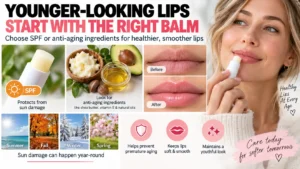
How to use: Choose a lip balm with anti-aging ingredients or SPF to protect against sun damage and maintain youthful-looking lips. The AAD emphasizes that sun damage is a leading cause of chapped lips and can happen year-round, even in winter.
9. Helps With Lip Pigmentation
Discoloration or pigmentation on the lips can be a concern for many. Regular application of lip balm, especially those with ingredients like vitamin E or aloe vera, can help reduce pigmentation over time, leaving your lips even-toned and healthy.
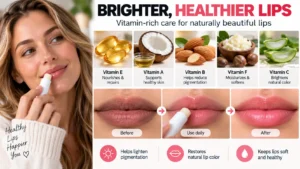
How to use: Use a lip balm with vitamin-rich ingredients daily to help lighten pigmentation and restore natural lip color.
10. Prevents Lip Infections
Cracked or chapped lips can lead to infections if bacteria enter through the open skin. Lip balms that contain antiseptic properties can help prevent infections by keeping your lips moisturized and protected from harmful bacteria.
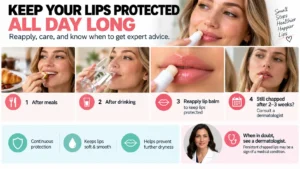
How to use: Reapply lip balm after meals or drinking to keep your lips continuously protected. If your chapped lips do not heal after two to three weeks of consistent care, consult a board-certified dermatologist, as it could be a sign of a medical condition.
Quick Reference: Lip Balm Benefits at a Glance
| Benefit | Key Action | Best For |
|---|---|---|
| Moisturizes | Provides external hydration | Dry, dehydrated lips |
| Protects | Shields from wind, cold, UV | Outdoor exposure |
| Prevents Chapping | Maintains moisture barrier | Cold, dry climates |
| Heals Cracks | Shea butter, beeswax repair | Already cracked lips |
| Enhances Color | Tinted formulas add subtle hue | Natural makeup days |
| Smooths Lipstick | Creates even base | Lipstick wearers |
| Adds Gloss | Doubles as natural gloss | Glossy finish lovers |
| Prevents Aging | SPF protects from sun damage | Anti-aging routine |
| Reduces Pigmentation | Vitamin E, aloe vera even tone | Uneven lip color |
| Prevents Infection | Antiseptic properties | Cracked, vulnerable lips |
Frequently Asked Questions
How often should I apply lip balm?
You should apply lip balm whenever your lips feel dry, after eating, and before bed. Dr. Lipner recommends four applications a day as a general rule. In dry or cold weather, more frequent application may be necessary.
Can I use lip balm under lipstick?
Yes, applying lip balm under lipstick creates a smooth base, ensuring even application and preventing the lipstick from settling into cracks.
Is lip balm with SPF necessary?
Yes, lip balm with SPF is essential if you spend time outdoors. The American Academy of Dermatology recommends using a lip balm that contains sunscreen with an SPF of 30 or higher to protect against sun damage and prevent premature aging.
Can lip balm help with lip pigmentation?
Regular use of lip balm, especially those with ingredients like vitamin E or aloe vera, can help reduce lip pigmentation over time.
What ingredients should I look for in a healing lip balm?
For healing cracked lips, look for ingredients like shea butter, coconut oil, beeswax, or vitamin E, which are known for their moisturizing and healing properties. Dr. Piliang from Cleveland Clinic recommends petrolatum, glycerin, or mineral oil. Avoid products with camphor, eucalyptus, and menthol, as these can be drying and irritating.
Can lip balm prevent lip infections?
Yes, lip balms with antiseptic properties can help prevent infections by keeping your lips moisturized and protecting them from harmful bacteria.
Final Thoughts
Lip balm is more than just a beauty accessory. It is a daily essential that protects, nourishes, and enhances your lips. Whether you are dealing with dry winter air, harsh summer sun, or simply want to maintain soft, healthy lips year-round, a good lip balm should always be within reach.
Choosing the right formula matters. Look for ingredients that moisturize, heal, and protect. Avoid irritants like camphor and menthol. And do not forget the SPF. Your lips will thank you.