


In today’s fast-paced world, a good night’s sleep can often feel like a luxury rather than a necessity. Between work stress, endless screen time, and the constant hum of notifications, winding down at night has become harder than ever. I have been there myself, staring at the ceiling at 2 AM, my mind racing through tomorrow’s to-do list.
After years of struggling with sleep, I discovered one of the most effective and accessible solutions: soothing music. Listening to calming tracks on Spotify has genuinely transformed my nightly routine. I have experimented with countless playlists, artists, and genres, and I have curated a list of 30 tracks that consistently help me relax and drift off into peaceful slumber.
If you are looking for better sleep, these tracks just might be the game-changer you have been searching for.
Why Music Helps with Sleep
Music has a profound impact on our emotions and can trigger the relaxation response in our bodies. Slow, soft music can help lower your heart rate, reduce blood pressure, and even decrease levels of stress hormones. This makes it an excellent tool for improving sleep quality, especially if you struggle with insomnia or anxiety at night.
Research suggests that slow-tempo music, around 60 to 80 beats per minute, is most effective for sleep. Some songs are literally engineered to reduce anxiety. For example, “Weightless” by Marconi Union was specifically designed to lower heart rate and reduce cortisol levels.
Studies also show that listening to music before bed can reduce sleep-onset latency (the time it takes to fall asleep), improve sleep efficiency, and increase total sleep time.
How to Create the Perfect Sleep Playlist on Spotify
When building a sleep playlist, it is important to choose tracks that are calm, slow-paced, and preferably instrumental. Vocals can sometimes be distracting and engage your mind, so I recommend focusing on instrumental, ambient, or classical music.
Here is how you can create your own sleep playlist:
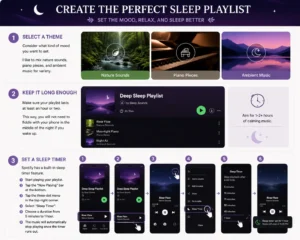
Select a Theme: Consider what kind of mood you want to set. I like to mix nature sounds, piano pieces, and ambient music for variety.
Keep It Long Enough: Make sure your playlist lasts at least an hour or two. This way, you will not need to fiddle with your phone in the middle of the night if you wake up.
Set a Sleep Timer: Spotify has a built-in sleep timer feature. To use it, start playing your playlist, tap the “Now Playing” bar at the bottom, tap the three-dot menu in the top-right corner, and select “Sleep Timer”. Choose a duration from 5 minutes to 1 hour. The music will automatically stop playing once the timer runs out.
My Top 30 Soothing Tracks on Spotify
After years of experimenting with various tracks, I have narrowed down my top 30 soothing tracks that guarantee a better night’s sleep. Each track is selected based on its calming effect, slow tempo, and ability to help me unwind after a long day.
| # | Track | Artist |
|---|---|---|
| 1 | Weightless | Marconi Union |
| 2 | Claire de Lune | Claude Debussy |
| 3 | Nocturne in E-flat major, Op. 9, No. 2 | Frédéric Chopin |
| 4 | Pure Shores | All Saints |
| 5 | By Your Side | Sade |
| 6 | Watermark | Enya |
| 7 | Nuvole Bianche | Ludovico Einaudi |
| 8 | Sunset Lover | Petit Biscuit |
| 9 | Opus 23 | Dustin O’Halloran |
| 10 | Bloom | ODESZA |
| 11 | Una Mattina | Ludovico Einaudi |
| 12 | Night Owl | Galimatias |
| 13 | Infinite Love | Joep Beving |
| 14 | Sleep | Max Richter |
| 15 | Breathe | Télépopmusik |
| 16 | Softly | Rhye |
| 17 | Home | Explosions in the Sky |
| 18 | First Day of My Life | Bright Eyes |
| 19 | Intro | The xx |
| 20 | We Move Lightly | Dustin O’Halloran |
| 21 | Saturn | Sleeping at Last |
| 22 | Comptine d’un autre été: L’après-midi | Yann Tiersen |
| 23 | Please Don’t Go | Barcelona |
| 24 | Starlight | Muse |
| 25 | La Vie En Rose | Louis Armstrong |
| 26 | River Flows in You | Yiruma |
| 27 | Song for Sienna | Brian Crain |
| 28 | Holocene | Bon Iver |
| 29 | The Night We Met | Lord Huron |
| 30 | To Build a Home | The Cinematic Orchestra |
How to Use the Playlist for Maximum Benefit
To get the most out of this playlist, I suggest integrating it into your nightly routine. Here is how I do it:
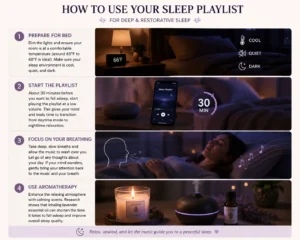
Prepare for Bed: Dim the lights and ensure your room is at a comfortable temperature (around 65°F to 68°F is ideal). Make sure your sleep environment is cool, quiet, and dark.
Start the Playlist: About 30 minutes before you want to fall asleep, start playing the playlist at a low volume. This gives your mind and body time to transition from daytime mode to nighttime relaxation.
Focus on Your Breathing: Take deep, slow breaths and allow the music to wash over you. Let go of any thoughts about your day. If your mind wanders, gently bring your attention back to the music and your breath.
Use Aromatherapy: Enhance the relaxing atmosphere with calming scents. Research shows that inhaling lavender essential oil can shorten the time it takes to fall asleep and improve overall sleep quality. A lavender-scented candle or a few drops of lavender oil in a diffuser can make a significant difference.
Additional Tips for Better Sleep
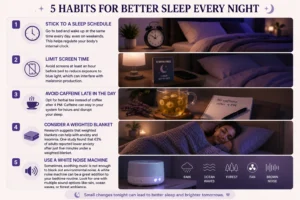
Stick to a Sleep Schedule: Go to bed and wake up at the same time every day, even on weekends. This helps regulate your body’s internal clock.
Limit Screen Time: Avoid screens at least an hour before bed to reduce exposure to blue light, which can interfere with melatonin production.
Avoid Caffeine Late in the Day: Opt for herbal tea instead of coffee after 4 PM. Caffeine can stay in your system for hours and disrupt your sleep.
Consider a Weighted Blanket: Research suggests that weighted blankets can help with anxiety and insomnia. One study found that 63% of adults reported lower anxiety after just five minutes under a weighted blanket. They may also help stimulate melatonin release.
Use a White Noise Machine: Sometimes, soothing music is not enough to block out environmental noise. A white noise machine can be a great addition to your bedtime routine. Look for one with multiple sound options like rain, ocean waves, or forest ambience.
Frequently Asked Questions
How long should my sleep playlist be?
Ideally, your sleep playlist should be long enough to last about 1 to 2 hours. This ensures the music plays long enough to help you fall asleep without interruptions. Some playlists even run for 8 hours or more.
Can I listen to music with lyrics for sleep?
While some people find lyrics relaxing, instrumental tracks are generally recommended for sleep because they are less likely to engage your mind. Vocals can sometimes keep your brain active rather than allowing it to drift off.
Is it okay to use headphones while sleeping?
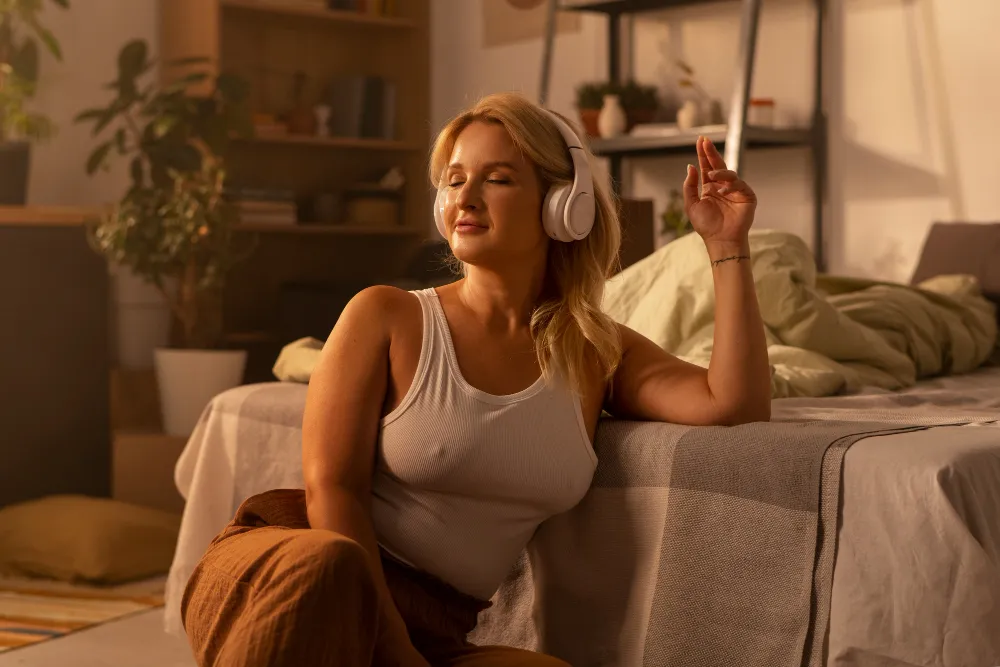
It is okay to use headphones as long as they are comfortable and do not disrupt your sleep. However, it is often better to use a speaker or sleep-specific headband headphones. The Soundcore by Anker Sleep A10 and Soundcore Sleep A30 are highly rated for comfort and all-night wear.
Can music help with insomnia?
Yes, many people with insomnia find that soothing music helps them relax and fall asleep faster. It is a natural and non-invasive way to improve sleep quality. Studies have shown that music therapy is a safe and effective intervention for improving sleep.
How soon can I expect results from listening to sleep music?
Some people notice improvements in their sleep after just one night, while for others, it may take a week or two to experience the full benefits. Consistency is key—incorporate music into your nightly routine for the best results.
Final Thoughts
Incorporating soothing music into your nightly routine can significantly improve your sleep quality. The 30 tracks I have shared have been carefully selected based on personal experience and research-backed principles. Whether you are dealing with occasional restlessness or chronic insomnia, these songs can help you unwind, relax, and drift off into a deep, restorative sleep.
Try out my top 30 Spotify tracks and see how they work for you. Sweet dreams.