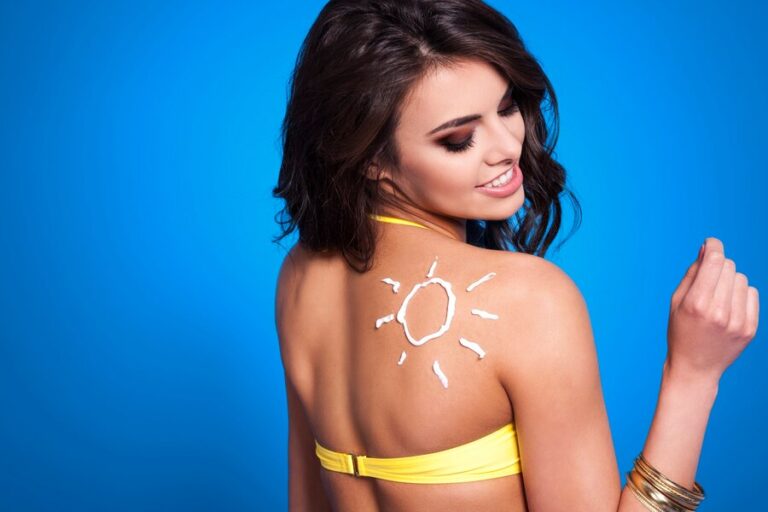



Finding the right sunscreen for oily, acne-prone skin can feel like searching for a needle in a haystack. I have tried countless products that promised to be lightweight, non-greasy, and suitable for acne-prone skin, only to end up with breakouts or a shiny, greasy face that ruined my morning. But after years of trial and error, I finally found sunscreens that work for my skin type. Here is everything I learned along the way so you can find your perfect match, too.
The right sunscreen is not just a summer accessory. It is the single most effective anti-aging product in any skincare routine, and for those of us with oily, breakout-prone skin, it is absolutely non-negotiable. However, the wrong formula can clog pores, trigger new breakouts, or leave you looking like you just ran a marathon. The key is understanding exactly what to look for and what to avoid.
Understanding Your Skin Type: Why Sunscreen Is Different for Oily, Acne-Prone Skin
Oily and acne-prone skin requires extra care, especially when it comes to choosing a sunscreen. The wrong sunscreen can clog pores, lead to breakouts, or make your skin look excessively shiny. It is crucial to select a sunscreen that controls oil without causing irritation or acne. Understanding your skin type is the first step, and knowing your specific concerns will guide you toward formulas that genuinely work.
The best sunscreens for oily skin deliver broad-spectrum protection without adding extra oil. They are lightweight, fast-absorbing, and often have a matte or natural finish that helps control shine throughout the day.
Ingredients to Look For (and What to Avoid)
When shopping for sunscreen, focus on finding products labeled as oil-free and non-comedogenic. These are less likely to clog pores and aggravate acne. Dermatologists consistently recommend looking for a lightweight sunscreen that will not leave behind a heavy, greasy film.
| Ingredient | Why It Works | Best For |
|---|---|---|
| Zinc Oxide & Titanium Dioxide | Mineral filters that provide broad-spectrum protection without clogging pores | Sensitive, reactive skin |
| Niacinamide (Vitamin B3) | Anti-inflammatory, reduces redness, regulates oil production | Oily, acne-prone, redness-prone skin |
| Hyaluronic Acid | Hydrates without adding oil | Dehydrated yet oily skin |
| Azelaic Acid | Pore-friendly, helps with blemishes and uneven tone | Acne-prone skin with hyperpigmentation |
What to avoid: Heavy creams, added oils, and formulas that feel greasy. Also be cautious with very high alcohol content, which can be drying and trigger rebound oil production. The AAD recommends choosing gel-based or non-comedogenic formulas for oily or acne-prone skin.
My Top Sunscreen Picks for Oily, Acne-Prone Skin
After trying dozens of products, these three have genuinely worked for my oily, breakout-prone skin. They are all available in the US and widely recommended by dermatologists.
1. EltaMD UV Clear Broad-Spectrum SPF 46
This is the dermatologist-office standard for a reason. It is a hybrid mineral/chemical formula (9% zinc oxide + 7.5% octinoxate) with 5% niacinamide to calm and even tone. The weightless, non-comedogenic finish layers beautifully under makeup. It is my daily go-to because it never feels heavy and has never caused a single breakout. A 1.7 oz bottle costs around $45 and lasts several months with daily use.
Where to buy: EltaMD UV Clear on Amazon
2. La Roche-Posay Anthelios Clear Skin Dry Touch SPF 60
This one is a powerhouse for oily skin. It offers very high protection with a dry-touch matte finish that genuinely controls shine. It is formulated with perlite and silica to absorb excess oil, and it contains antioxidants to protect against pollution. If you struggle with midday shine, this is a game-changer.
Where to buy: La Roche-Posay Anthelios on Amazon
3. Supergoop Unseen Sunscreen SPF 40
Dr. Jane Yoo, a board-certified dermatologist, names this the best pick for oily and acne-prone skin. It is an oil-free, gel-to-powder texture with a velvety, mattifying finish that doubles as a makeup-gripping primer. It is completely invisible and works beautifully under foundation. It is a bit pricier, but the texture is unmatched for oily skin.
Where to buy: Supergoop Unseen Sunscreen on Amazon
Application Tips for Maximum Protection
Even the perfect sunscreen will not work if you do not apply it correctly. Here is exactly what I do every morning, and it has made a huge difference.
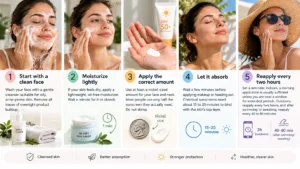
Start with a clean face: Wash your face with a gentle cleanser suitable for oily, acne-prone skin. Remove all traces of overnight product buildup.
Moisturize lightly: If your skin feels dry, apply a lightweight, oil-free moisturizer. Wait a minute for it to absorb.
Apply the correct amount: Use at least a nickel-sized amount for your face and neck. Most people use only half the sunscreen they actually need, which means they are not getting the protection they think they are. Do not skimp.
Let it absorb: Wait a few minutes before applying makeup or heading out. Chemical sunscreens need about 15 to 20 minutes to bind with the skin’s top layer.
Reapply every two hours: Set a reminder. Indoors, a morning application is usually sufficient unless you are near a window for extended periods. Outdoors, reapply every two hours, and after swimming or sweating, reapply every 40 to 80 minutes.
Why Sunscreen Is Non-Negotiable for Acne-Prone Skin
Sunscreen is a critical step in any skincare routine, regardless of your skin type. For oily, acne-prone skin, it is essential because:
Protects from UV damage: Prevents sunburn, premature aging, and reduces the risk of skin cancer. Studies show that regular sunscreen use can lower skin cancer risk by as much as 50%.
Reduces hyperpigmentation: Helps fade dark spots and acne scars. Many acne treatments, including retinol and acids, make your skin more photosensitive, making daily SPF even more critical.
Prevents oil overproduction: The right sunscreen can help regulate sebum production. Without protection, sun exposure can dry the top layer of skin and trigger the body to produce even more oil to compensate, leading to more breakouts.
Sunscreen is a non-negotiable across all skin care routines. The best sunscreen for acne will keep your skin calm from the first day of spring to the last day of winter and beyond.
Frequently Asked Questions
Q1: Can oily skin skip sunscreen?
Absolutely not. Oily skin still needs protection from harmful UV rays, which can cause damage and worsen acne. Skipping sunscreen can lead to dark spots, premature aging, and increased skin cancer risk.
Q2: How often should I reapply sunscreen?
Ideally, every two hours, especially if you are outdoors. For indoor days, applying it in the morning is usually sufficient unless you are in front of a window for extended periods. After sweating or swimming, reapply immediately.
Q3: Can I use a moisturizer with SPF instead of a dedicated sunscreen?
It is better to use a dedicated sunscreen. Moisturizers with SPF often do not provide enough protection compared to standalone sunscreens. If you do use a moisturizer with SPF, make sure you apply enough product to get the labeled protection.
Q4: Will sunscreen make my acne worse?
Not if you choose the right formula. The myth that sunscreen causes acne comes from heavy, greasy formulas that clog pores. Non-comedogenic, oil-free sunscreens are specifically designed for acne-prone skin and will not cause breakouts.
Q5: What is the difference between mineral and chemical sunscreens for oily skin?
Mineral sunscreens (zinc oxide, titanium dioxide) sit on top of the skin and are less likely to irritate. Chemical sunscreens absorb into the skin and often have a lighter texture. For oily skin, both can work, but look for a matte or natural finish regardless of type.
Q6: How do I know if a sunscreen is truly non-comedogenic?
Look for the label “non-comedogenic” and check the ingredient list for known pore-cloggers like heavy silicones or coconut oil. Brands like EltaMD, La Roche-Posay, and Supergoop are consistently recommended by dermatologists for their acne-safe formulas.
Final Thoughts
Finding the perfect sunscreen for oily, acne-prone skin might take some time, but it is absolutely worth the effort. The right product will protect your skin from UV damage, help fade existing dark spots, and prevent new breakouts from forming. Focus on non-comedogenic, oil-free products with added benefits like niacinamide and zinc. Your skin will thank you.
Suggested Articles
Disclaimer: This article is for informational purposes only and does not constitute medical or dermatological advice. Patch test all products before use, especially if you have sensitive skin or allergies. If you experience persistent skin irritation, consult a board-certified dermatologist.