
TL;DR
-
Makeup has shifted from a tool of conformity to a deliberate act of self expression and emotional grounding
-
Historical roots in ancient Egypt show makeup was used for protection and ritual, not just vanity
-
Current psychology distinguishes makeup as either camouflage for social anxiety or seduction for social engagement
-
Industry trends have moved past the clean girl uniformity toward expressive, colorful, and hybrid products
-
For trauma survivors and professionals alike, the daily ritual provides a measurable confidence boost and sense of control
-
The modern market values intentionality over perfection, making makeup a personal strategy rather than a social obligation
Introduction
Walk into any beauty aisle today and you will notice something has changed. The shelves are no longer dominated by matte foundations promising to erase every pore. Instead, you see vibrant eyeliners, glitter palettes, and hybrid serums with pigment. This is not accidental. The way we think about why makeup matters has fundamentally shifted.
For years the public conversation revolved around a tired question. Is makeup empowering or oppressive? That binary has become irrelevant. In 2026 makeup is neither a requirement nor a rebellion. It is a tool that millions use daily to regulate mood, project identity, and navigate a demanding world.
Context or Background
The story of makeup begins thousands of years before any social media influencer picked up a brush. Archaeological findings place the first cosmetics in ancient Egypt around 4000 BCE. Both men and women applied kohl, a dark paste made from galena, around their eyes.
Why did they do it?
-
Protection from the harsh desert sun
-
Warding off evil spirits
-
Preventing eye infections
-
Marking social status
The very word cosmetic comes from the Greek kosmetikos, meaning skilled in ordering or arranging. For centuries the acceptance of makeup rose and fell with moral tides. The Victorian era famously condemned it, associating painted faces with actors and those of ill repute.
The 1920s changed everything. As women gained the right to vote and Hollywood created the silver screen goddess, marketing campaigns successfully rebranded cosmetics. Makeup was no longer deception. It was freedom and visible independence.
Why It Matters
Understanding the importance of makeup today means recognizing what is missing from the old conversation. For the past several years the beauty industry was dominated by the clean girl aesthetic. Slicked back hair, glazed skin, and the illusion of wearing nothing at all.
This created a silent problem. It enforced a new kind of uniformity. As trend forecaster Chloé Arjona of NellyRodi noted, this standardization led to a market where everyone looks the same, which naturally triggered a desire for distinction.
Here is the critical gap that is now closing.
Outdated practice
Viewing makeup as a mask to hide perceived flaws and achieve a single narrow standard of perfection
Current practice
Viewing makeup as a spectrum of intentional tools. You can use it to blend in on a vulnerable day or stand out when you feel bold.
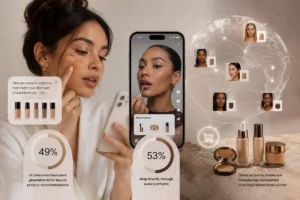
Simultaneously the way we buy makeup has changed forever. According to recent data:
-
49% of consumers have used generative AI for beauty product recommendations
-
53% shop directly through social platforms
-
Global access to shades and formulas has replaced the local department store counter
Key Breakdown: The Modern Functions of Makeup
To grasp why makeup matters now we need to look at the psychology of how people actually use it. A significant study published by the National Institutes of Health broke down makeup use into two distinct psychological functions.
Camouflage
-
Used by those scoring higher on anxiety measures
-
Acts as a protective shield against social threats
-
Reduces visible signs of stress or fatigue
-
Helps feel less exposed to judgment
Seduction
-
Used by more extroverted and assertive individuals
-
Draws attention and signals confidence
-
Employs bold colors and contrasts
-
Focuses on social engagement
Neither approach is wrong. The value lies in self awareness. Understanding your motive helps you use makeup intentionally rather than compulsively.
The confidence leadership loop
In professional environments the impact is tangible. Industry surveys consistently show that nearly half of women cite a confidence boost as their primary reason for wearing makeup.
Research on body image and workplace performance indicates that when women feel uncomfortable with their appearance:
-
Presentation skills suffer
-
Eye contact decreases
-
Willingness to speak up drops
Makeup functions similarly to a tailored blazer or polished shoes. Celebrity makeup artist Julia Dantas describes it as accessing an alter ego that helps professionals step into main character energy before high stakes meetings.
Emotional healing through ritual
Perhaps the most profound modern function is therapeutic. For individuals recovering from trauma including burn survivors and refugees, the daily act of applying makeup provides a critical sense of normalcy and control.
When life feels chaotic or your body feels foreign:
-
The deliberate sensory process re establishes agency
-
Brushing, blending, and coloring becomes mindfulness
-
A few minutes of ritual in an overwhelming day
This positions makeup not as vanity but as a legitimate form of emotional first aid.
Who It Is For
The new importance of makeup applies to three distinct groups in 2026.
The professional woman
She wears it to control video call appearance, look alert after sleepless nights, and project quiet authority. For her makeup is strategic armor.
The expressive creator
This group rejects homogeneity. They use graphic liners and color pops as non verbal language. Their real face becomes the primary canvas for signaling mood and identity.
The recovery and wellness seeker
This includes anyone dealing with skin trauma, aging changes, or mental health struggles. The ritual provides structure and a gentle reason to engage the mirror without judgment.
Bigger Picture
Looking ahead the long term impact is the slow death of the anti aging paradigm. We are moving toward age agnostic and slow aging narratives. The future of makeup is hybrid. A product must perform with pigment, protect with skincare, and provide pleasure through sensory experience.
We are also witnessing the rise of tactile hedonism. This is the pursuit of micro moments of joy derived from texture and application rather than just the final result. The importance of makeup is shifting from outcome to process.
For a deeper look at how consumer behavior is driving these changes, explore the latest insights on NielsenIQ’s industry analysis page.
Conclusion
Makeup is important today not because society demands it but because individuals have reclaimed it. It is a low stakes, high reward tool for self regulation.
The industry has finally caught up to the reality that women are not a monolith. We have moved from a culture of fixing flaws to a culture of feeling in control. If you have been treating your makeup bag as a chore list, consider reframing it as a choice board. The only rule that remains in 2026 is intentionality. Ask yourself why you are reaching for that product. The answer will tell you more about your state of mind than any mirror ever could.
Frequently Asked Questions
Is the clean girl makeup look completely finished?
Not entirely but it is evolving. The minimalist skin focused base remains popular because it is quick and comfortable. However the rigid rules are gone. In 2026 the trend is balanced minimalism: a breathable natural base paired with a single strategic color pop on the eye or lip.
Can wearing makeup actually help with anxiety or depression?
For many people yes. The repetitive sensory nature of applying makeup can reduce cortisol levels and provide a few minutes of focused mindfulness. Therapeutic case studies particularly with trauma survivors show that the ritual helps re establish a sense of control and normalcy.
Are men becoming a significant part of the makeup market?
Yes steadily. An increasing number of men use cosmetics specifically concealers, brow gels, and skin correctors to enhance features or cover imperfections. Brands are slowly moving away from strictly gendered marketing.
What exactly is expressive beauty and why is it trending now?
Expressive beauty is the move away from neutral skin like looks toward pigmented and artistic applications. It is trending as a direct reaction to the standardization of the clean girl era. People grew bored of looking identical so they are using bold colors and graphic shapes to showcase individual personality.
How can I use makeup to feel more confident at work without looking overdone?
Focus on the confidence leadership loop. You do not need a full glam look. Strategic targeted application is more effective. Filling in brows to look more polished, using a brightening concealer under the eyes, or adding one coat of mascara has been shown to increase self perceived authority. The goal is to look like the most rested and capable version of you.