


In a world overloaded with possessions, commitments, and distractions, minimalism has emerged as a lifestyle trend that offers clarity and calm. This movement is not just about owning fewer things; it is about focusing on what truly matters. From decluttering homes to simplifying schedules, minimalism is changing the way people approach life. More and more individuals are discovering that less truly can be more when it comes to finding fulfillment and peace of mind.
What Is Minimalism?
Minimalism is a lifestyle that encourages intentional living by reducing excess. It is about removing unnecessary items and commitments to create space for meaningful experiences and connections. Contrary to popular belief, minimalism is not about deprivation but about curating a life that aligns with your values. It is a conscious choice to prioritize quality over quantity in every aspect of life.
Minimalism looks different for everyone. For some, it means living out of a suitcase. For others, it means simply being more mindful about what they bring into their homes and lives. The beauty of minimalism lies in its flexibility and personal nature.
Why Is Minimalism So Popular?
Several factors contribute to the growing popularity of minimalism:
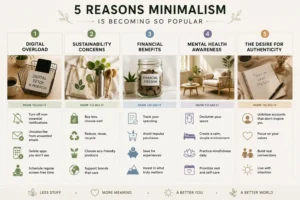
Digital Overload: With constant notifications, emails, and information bombarding us daily, people are craving mental clarity and peace. The digital age has created a need for intentional disconnection.
Sustainability Concerns: Minimalism promotes consuming less, which aligns with eco-friendly living and reducing our environmental footprint. In an era of climate awareness, this resonates deeply.
Financial Benefits: Owning fewer things often means spending less, leading to financial freedom and reduced stress about money. It also encourages saving for experiences rather than accumulating stuff.
Mental Health Awareness: Research shows that a clutter-free space can significantly reduce stress and anxiety. Minimalism supports mental well-being by creating environments that promote calm and focus.
The Desire for Authenticity: In a world of curated social media perfection, many people are seeking more authentic, meaningful lives. Minimalism offers a path toward genuine fulfillment.
How to Embrace Minimalism
Adopting minimalism does not have to be overwhelming. Here are some easy steps to get started:
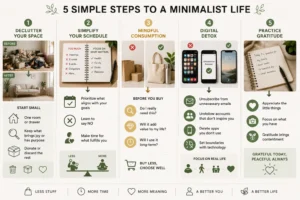
Declutter Your Space: Begin with one room or even one drawer. Ask yourself if each item brings you joy or serves a practical purpose. Be honest about what you truly need.
Simplify Your Schedule: Prioritize activities that align with your goals and values. Learn to say no to commitments that do not serve you or bring you fulfillment.
Mindful Consumption: Before buying anything, consider its necessity and long-term value. Ask yourself: Do I really need this? Will it add value to my life?
Digital Detox: Unsubscribe from unnecessary emails, unfollow social media accounts that do not inspire you, and delete apps you do not use. Create boundaries with technology.
Practice Gratitude: Shift your focus from what you lack to what you already have. Gratitude is a cornerstone of minimalist living.
Quick Reference: Minimalism at a Glance
| Aspect of Life | Minimalist Approach | Key Benefits |
|---|---|---|
| Home | Clean lines, neutral colors, multi-purpose furniture | Calmer environment, easier cleaning |
| Wardrobe | Capsule wardrobe with versatile, quality pieces | Less decision fatigue, better style |
| Diet | Whole, simple foods; avoid overcomplicated meals | Better health, less waste |
| Relationships | Quality over quantity; deep connections | More meaningful interactions |
| Schedule | Prioritize meaningful activities | More time for what matters |
| Finances | Mindful spending, saving over buying | Financial freedom, less stress |
Minimalism in Different Aspects of Life
Home: A minimalist home focuses on functionality and aesthetics. Think clean lines, neutral colors, and multi-purpose furniture. The goal is to create a space that feels open, calm, and inviting rather than cluttered and overwhelming.
Wardrobe: Capsule wardrobes are a cornerstone of minimalist fashion. These collections feature versatile, high-quality pieces that can be mixed and matched. The goal is to have fewer items that you truly love and wear regularly.
Diet: Minimalist eating emphasizes whole, simple foods and avoids overcomplicated meals. It is about nourishing your body with quality ingredients rather than processed convenience foods.
Relationships: Quality over quantity applies here too. Focus on deep connections rather than maintaining a large social circle. Invest time and energy in relationships that truly matter to you.
Finances: Minimalism encourages mindful spending. Instead of accumulating things, you invest in experiences, quality items that last, and financial security.
Mental Space: Just as you declutter your physical space, minimalism encourages decluttering your mind. Practice meditation, journaling, or simply quiet time to clear mental noise.
Benefits of Minimalism
Improved Focus: Less clutter leads to fewer distractions, allowing you to concentrate on what truly matters.
More Time: With fewer commitments and less time spent managing possessions, you can invest time in things you love.
Financial Savings: Buying less means saving more. Minimalism naturally leads to better financial habits.
Environmental Impact: Consuming less reduces waste and conserves resources, making minimalism an eco-friendly choice.
Reduced Stress: A clutter-free environment promotes calm and reduces anxiety.
Greater Freedom: When you own less, you have more freedom to move, travel, and pursue new opportunities.
Increased Happiness: Shifting focus from possessions to experiences and relationships leads to greater life satisfaction.
Common Misconceptions About Minimalism
It Is Only for the Wealthy: Minimalism does not require expensive items. It is about reducing excess, regardless of your budget. Anyone can embrace minimalism.
You Have to Own Barely Anything: Minimalism is flexible and personal. There is no magic number of items you must own. It is about what works for you.
It Is Boring: A minimalist life can still be vibrant and fulfilling. Minimalism makes room for what truly excites you rather than drowning in noise.
It Means Living in an Empty White Box: Minimalism is about intention, not aesthetics. Your home can be warm, colorful, and personal while still being minimalist.
You Cannot Be a Minimalist with Kids: Families often benefit most from minimalism. It creates more quality time and less chaos in busy households.
FAQs
What is the first step to becoming a minimalist?
Start small by decluttering one drawer or shelf at a time. Do not try to overhaul your entire life at once. Progress, not perfection, is the goal.
Can minimalism save money?
Yes. By focusing on necessities and avoiding impulse buys, you will spend less. Minimalism encourages intentional spending on things that truly add value.
Is minimalism sustainable?
Absolutely. Consuming less reduces waste and environmental impact. Minimalism is one of the most sustainable lifestyle choices you can make.
Do I need to get rid of all my stuff?
No, only items that do not add value to your life. Keep what brings you joy or serves a practical purpose. Minimalism is personal.
Can families embrace minimalism?
Yes, many families adopt minimalism to simplify their lives and focus on quality time together. It can reduce stress and create a more peaceful home environment.
Is minimalism suitable for small spaces?
Minimalism is perfect for small spaces as it maximizes functionality and makes spaces feel larger and more open.
Does minimalism mean no technology?
No, but it encourages intentional use of technology. Unplug when needed and be mindful of screen time.
How do I handle sentimental items?
Keep a few meaningful pieces that truly matter to you. Consider digitizing photos and letters to preserve memories without physical clutter.
Minimalism is more than just a trend. It is a thoughtful response to the overwhelming pace of modern life. By simplifying what we own, how we spend our time, and what we consume, we make room for what truly matters. Whether you start with a single drawer, a digital detox, or a full lifestyle shift, every step toward minimalism brings you closer to a calmer, more intentional, and more fulfilling life. The journey to simplicity is deeply personal, but the rewards are universal: more freedom, less stress, and a life that truly reflects your values.
Suggested Articles
Ready to simplify your life? Check out these resources:
-
The Life-Changing Magic of Tidying Up – The classic guide to decluttering your home and life.
-
Minimalist Home Organization Essentials – Products to help you create a clutter-free space.