


Navigating the skincare aisle can feel like decoding a foreign language. Between the endless bottles, pumps, and tubes, two terms constantly appear: face wash and cleanser. While often used interchangeably in casual conversation, understanding the distinct differences between a face wash and a cleanser is the foundational step to building an effective, results-driven skincare routine.
This comprehensive guide breaks down the science behind these products, how to match them to your specific skin type, and the expert techniques needed to achieve a healthy, radiant complexion.
The Core Difference: Face Wash vs. Cleanser
To choose the right product, you first need to understand what each one does and how it interacts with your skin barrier.
What is a Face Wash?
A face wash is a specific type of cleanser designed to provide a deeper, more targeted clean. They are typically water-based and often foam or lather when mixed with water. Face washes are formulated with active ingredients like salicylic acid for acne, glycolic acid for exfoliation, or tea tree oil for oil control. They are highly effective at cutting through excess sebum, sweat, and environmental pollutants, making them ideal for oily, combination, or acne-prone skin types.
What is a Facial Cleanser?
The term cleanser is a broader category that encompasses any product used to remove dirt, makeup, and impurities. Cleansers are generally gentler, non-foaming, and designed to clean the skin without disrupting its natural moisture barrier. They come in various textures, including milky lotions, rich creams, balms, and cleansing oils. Because they prioritize hydration and barrier support, cream and oil cleansers are the gold standard for dry, sensitive, or mature skin.
How to Choose Based on Your Skin Type
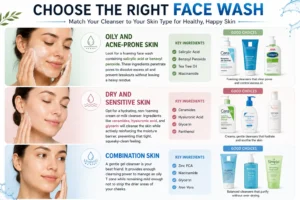
Oily and Acne-Prone Skin
Look for a foaming face wash containing salicylic acid or benzoyl peroxide. These ingredients penetrate pores to dissolve excess oil and prevent breakouts without leaving a heavy residue.
Dry and Sensitive Skin
Opt for a hydrating, non-foaming cream or milk cleanser. Ingredients like ceramides, hyaluronic acid, and glycerin will cleanse the skin while actively reinforcing the moisture barrier, preventing that tight, squeaky-clean feeling.
Combination Skin
A gentle gel cleanser is your best friend. It provides enough cleansing power to manage an oily T-zone while remaining mild enough not to strip the drier areas of your cheeks.
Step-by-Step Application for Maximum Benefits
Using your cleanser correctly is just as important as the product itself.
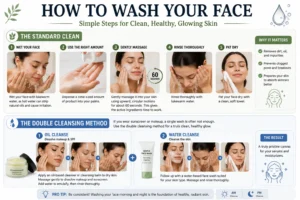
The Standard Clean
Wet your face with lukewarm water, as hot water can strip natural oils and cause irritation. Dispense a dime-sized amount of product into your palms. Gently massage it into your skin using upward, circular motions for about 60 seconds. This gives the active ingredients time to work. Rinse thoroughly and pat your face dry with a clean, soft towel.
The Double Cleansing Method
If you wear sunscreen or makeup, a single wash is often not enough. Start with an oil-based cleanser or cleansing balm to dissolve makeup and SPF. Rinse, then follow up with a water-based face wash to clean the skin itself. This two-step process ensures a truly pristine canvas for your serums and moisturizers.
Crucial Skincare Precautions
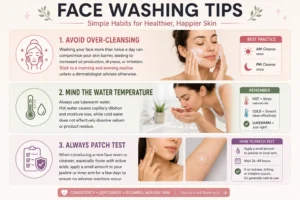
Avoid Over-Cleansing
Washing your face more than twice a day can compromise your skin barrier, leading to increased oil production, dryness, or irritation. Stick to a morning and evening routine unless a dermatologist advises otherwise.
Mind the Water Temperature
Always use lukewarm water. Hot water causes capillary dilation and moisture loss, while cold water does not effectively dissolve sebum or product residue.
Always Patch Test
When introducing a new face wash or cleanser, especially those with active acids, apply a small amount to your jawline or inner arm for a few days to ensure no adverse reactions occur.
Frequently Asked Questions
Can I use a face wash and a cleanser together?
Yes, this is called double cleansing. Using an oil-based cleanser first to remove makeup, followed by a targeted water-based face wash, is highly recommended for thorough evening routines.
Do I need to cleanse if I do not wear makeup?
Absolutely. Your skin accumulates sweat, dead skin cells, excess oil, and environmental pollutants throughout the day. Cleansing is essential for cellular turnover and preventing clogged pores, regardless of makeup use.
Why does my skin feel tight after washing?
This is a clear sign that your cleanser is too harsh for your skin type and is stripping your natural moisture barrier. Switch to a hydrating, non-foaming cream or milk cleanser immediately.
Should I moisturize after cleansing?
Yes, without exception. Cleansing temporarily alters your skin’s pH and removes surface lipids. Applying a moisturizer within 60 seconds of patting your face dry locks in hydration and restores balance.
Where to Build Your Cleansing Routine
Ready to upgrade your skincare regimen? Here are our top recommendations for sourcing high-quality, dermatologist-trusted products to build your perfect cleansing routine:
- Find Your Perfect Match: Explore a wide variety of formulations, from foaming gels to hydrating milks, in the face wash and cleanser collection at Sephora.
- Shop Dermatologist Favorites: Browse top-rated, barrier-supporting formulas in Ulta’s facial cleanser section.
- Budget-Friendly Essentials: Discover highly reviewed, gentle daily cleansers from trusted drugstore brands with this Amazon facial cleanser search.
- Target Acne and Oil Control: Find specialized, active-ingredient face washes designed to combat breakouts in Ulta’s acne cleanser category.
- Sensitive Skin Solutions: Shop soothing, fragrance-free options specifically formulated for reactive skin in Sephora’s sensitive skin cleanser aisle.
Final Thoughts
Understanding the nuances between a face wash and a cleanser empowers you to make informed, intentional decisions about your skincare. By choosing products tailored to your unique skin type and employing proper washing techniques, you are paving the way for a healthier, more radiant complexion every single day.
Related Reads
If you enjoyed this guide, you may also like:
- Benefits of Maracuja Oil for Skin, Hair, and Nails
- Barley Water Benefits for Skin: Beauty Benefits and DIY Recipe
- Home Remedies to Prevent Grey Hair Naturally