

TL;DR
-
Dalia provides 12% of your daily fiber in just one cup, supporting healthy digestion and weight management
-
Contains approximately 7 grams of plant-based protein per 3/4 cup serving, supporting muscle maintenance and metabolism
-
Rich in B-vitamins including thiamin, riboflavin, niacin, and pyridoxine that help convert food into energy
-
Provides antioxidants like vitamin E, phytic acid, and phenolic acids that protect cells from free radical damage
-
Has a lower glycemic index of 48 compared to oats (55-68), making it excellent for blood sugar control
-
Packed with manganese (96% DV) and magnesium (16% DV) that support bone health and nutrient conversion
-
Dalia stands out for having more fiber and fewer carbs than oats, with less impact on blood sugar
Page Contents
- Let’s Talk About Dalia
- Where It All Started
- Dalia Benefits for Digestion
- Dalia for Weight Management
- Rich in B-Vitamins
- Contains Powerful Antioxidants
- Supports Heart Health
- Dalia vs Oats
- Nutritional Value Per Serving
- Delicious Dalia Recipes for Kitchens
- Potential Side Effects
- Frequently Asked Questions
- The Bottom Line
Let’s Talk About Dalia
Have you ever wandered through the international aisle of your grocery store and spotted a grain that looked like cracked wheat but you weren’t quite sure what to do with it? That’s dalia, also referred to as bulgur wheat or cracked wheat. It’s a form of whole wheat that has been parboiled, dried, and cracked into smaller, quick-cooking pieces. While it’s a beloved staple across India, this ancient grain is finally getting the attention it deserves here in the US.
Compared to regular wheat, dalia is easier to cook and has a nutty, mild flavor profile. It is an excellent source of protein, fiber, manganese, magnesium, and other essential vitamins and minerals. Incorporating more dalia into your diet can help boost digestion, aid in weight management, stabilize blood sugar levels, and lower cholesterol.
What I love about dalia is how versatile it is. You can make it sweet or savory, eat it for breakfast, lunch, or dinner. It’s that warm, nourishing bowl that feels like comfort food but is actually incredibly good for you. Plus, it cooks in about 15 minutes, which makes it perfect for busy weeknights.
Where It All Started
Dalia has been a part of Indian cuisine for centuries. It’s a traditional whole grain that has stood the test of time, and for good reason. Dalia is made from wheat berries that have been minimally processed, so it retains the nutritious, fiber-rich bran layer. This minimal processing is what gives dalia its impressive nutritional profile.
The grain itself has a subtle, neutral flavor with a chewy, grain-like consistency. It’s this texture that makes it so satisfying to eat. You feel like you’re eating something substantial, something that’s going to stick with you and fuel your day.
In the US, bulgur wheat has been gaining popularity as a healthy alternative to rice and pasta. It’s commonly used in tabbouleh and other Mediterranean dishes. But dalia takes it a step further with its quick-cooking nature and incredible versatility.
Dalia Benefits for Digestion
Let’s start with digestion because this is where dalia really shines. Just one cup of cooked dalia contains 12% of the recommended daily fiber intake. Fiber is important for healthy digestion, weight maintenance, and stabilizing blood sugar.
-
Fiber adds bulk to stool, promoting regular bowel movements
-
It feeds beneficial gut bacteria, supporting a healthy microbiome
-
It helps prevent constipation and keeps your digestive system running smoothly
-
The fiber content helps you feel full longer, reducing the urge to snack between meals
If you’ve been struggling with digestive issues, dalia might be the gentle, natural solution you’ve been looking for. It’s a simple way to get more fiber into your diet without having to think too hard about it.
Dalia for Weight Management
Dalia is a fantastic ally if you’re trying to manage your weight. It provides fiber to keep you full along with protein to preserve muscle. It has fewer calories than white rice too.
-
The fiber creates a feeling of fullness that lasts for hours
-
Protein supports muscle maintenance, which keeps your metabolism active
-
It has fewer calories per serving compared to white rice
-
The complex carbohydrates provide steady energy without the crash
Just watch added fats or sweeteners that boost calories. Plain dalia with vegetables or a simple seasoning is your best bet for weight management. If you’re looking for more ways to support your weight loss journey, check out these home remedies for losing weight that complement a healthy diet.
Rich in B-Vitamins
Thiamin, riboflavin, niacin, pantothenic acid, and pyridoxine are some of the important B-vitamins found in dalia. These vitamins help convert food into usable energy, create new red blood cells, and promote healthy skin, hair, and liver function.
-
B-vitamins turn the food you eat into fuel for your body
-
They support the production of red blood cells that carry oxygen throughout your body
-
They promote healthy skin, hair, and liver function
-
They help maintain a healthy nervous system
Getting enough B-vitamins is crucial for overall wellbeing, and dalia makes it easy.
Contains Powerful Antioxidants
Dalia provides antioxidants like vitamin E, phytic acid, and phenolic acids. These compounds can protect healthy cells from free radical damage and lower oxidative stress which has been connected to multiple chronic diseases.
-
Antioxidants neutralize harmful free radicals in your body
-
They reduce oxidative stress that can lead to chronic disease
-
They support overall cellular health and longevity
-
They protect your skin from environmental damage
Supports Heart Health
The soluble fiber, plant-based protein, and antioxidants in dalia all contribute to improved cardiovascular function. Dalia has been shown to reduce LDL or “bad” cholesterol while lowering blood pressure levels as well.
-
Soluble fiber binds to cholesterol and helps remove it from your body
-
Plant-based protein supports heart function without the saturated fat found in animal proteins
-
Antioxidants protect blood vessels from damage
-
Magnesium and potassium help regulate blood pressure
Your heart will thank you for making dalia a regular part of your diet.
Dalia vs Oats
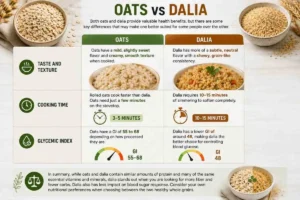
Both oats and dalia provide valuable health benefits, but there are some key differences that may make one better suited for some people over the other.
Taste and Texture
Oats have a mild, slightly sweet flavor and creamy, smooth texture when cooked. Dalia has more of a subtle, neutral flavor with a chewy, grain-like consistency.
Cooking Time
Rolled oats cook faster than dalia. Oats need just a few minutes on the stovetop, while dalia requires 10-15 minutes of simmering to soften completely.
Glycemic Index
The glycemic index measures how quickly foods impact your blood sugar levels. Dalia has a lower GI of around 48 compared to oats which have a GI of 55 to 68 depending on how processed they are, making dalia the better choice for controlling blood glucose.
In summary, while oats and dalia contain similar amounts of protein and many of the same essential vitamins and minerals, dalia stands out when you are looking for more fiber and fewer carbs. Dalia also has less impact on blood sugar response. Consider your own nutritional preferences when choosing between the two healthy whole grains.
Nutritional Value Per Serving
One of the main reasons dalia deserves a regular place in your kitchen is due to its nutritional value. Here is the breakdown per 3/4 cup cooked serving:
-
Calories: 193
-
Protein: 7 grams
-
Dietary Fiber: 6 grams
-
Manganese: 96% DV
-
Magnesium: 16% DV
Dalia is very high in manganese, a mineral that supports bone health and nutrient conversion. It also contains significant magnesium and phosphorus along with zinc, copper, folate, and B vitamins. The fiber keeps you feeling satiated longer after eating.
Delicious Dalia Recipes for Kitchens
Here are three easy ways to incorporate this ancient grain into your meals.
Savory Dalia Bowl
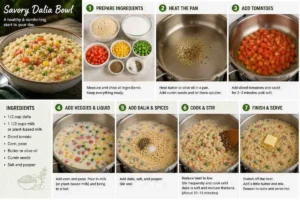
Think of this as a healthier alternative to your morning oatmeal.
Ingredients:
-
1/2 cup dalia
-
1 1/2 cups milk or plant-based milk
-
Diced tomato
-
Corn, peas
-
Butter or olive oil
-
Cumin seeds
-
Salt and pepper
Directions: Bring milk, water, tomatoes, corn, and peas to a boil. Add dalia and spices, reduce heat, stir frequently until thickened. Finish with butter. Season to taste.
Dalia Pilaf
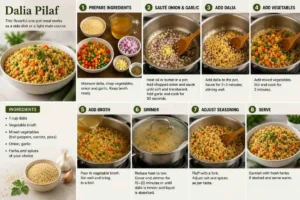
This flavorful one-pot meal works as a side dish or a light main course.
Ingredients:
-
1 cup dalia
-
Vegetable broth
-
Mixed vegetables (bell peppers, carrots, peas)
-
Onion, garlic
-
Herbs and spices of your choice
Directions: Sauté onion and garlic. Add dalia and vegetables, stir in broth. Simmer until liquid absorbed and dalia is tender. Adjust seasoning.
Dalia Salad
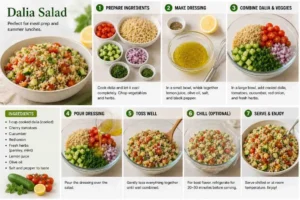
Perfect for meal prep and summer lunches.
Ingredients:
-
1 cup cooked dalia (cooled)
-
Cherry tomatoes, cucumber, red onion
-
Fresh herbs (parsley, mint)
-
Lemon juice and olive oil dressing
Directions: Combine all ingredients in a bowl. Toss with dressing. Serve chilled or at room temperature.
Potential Side Effects
Dalia is generally well tolerated but there are some possible side effects to note:
-
Wheat allergy symptoms in sensitive individuals
-
Digestive problems from extra fiber and carbs if introduced too quickly
-
Blood sugar spikes if eaten in very large portions
-
Cross contamination with wheat or other allergens
-
Weight gain if overeating portions
Introduce dalia slowly watching for any sensitivities. Be mindful of portion sizes as well. Start with a small serving and see how your body responds before increasing your intake.
If you’re dealing with skin issues that may be linked to diet, it’s worth checking out these 7 acne-causing foods to avoid as you work on improving your overall nutrition.
Frequently Asked Questions
Is dalia good for weight loss diets?
Yes, dalia provides fiber to keep you full along with protein to preserve muscle. It has fewer calories than white rice too. Just watch added fats or sweeteners that boost calories.
How do you prepare basic dalia?
Rinse dalia then simmer in boiling water or broth for 10-15 minutes until softened. Fluff with a fork before eating.
Why soak dalia overnight?
Soaking cuts cooking time in half. It also makes nutrients more bioavailable and easier for your body to absorb.
Is dalia easy to digest?
Properly prepared dalia tends to be easier to break down thanks to the fiber and nutrients supporting gut health. Those with sensitivities may want to limit portions at first.
Can you eat dalia on keto or paleo diets?
Strict keto and paleo diets prohibit grains, but some variations may allow small amounts of ancient grains like dalia. Check your specific diet’s allowed foods before including it.
How long does cooked dalia stay good refrigerated?
Cooked dalia keeps 4-5 days refrigerated. Revive leftovers by adding a little liquid before eating or incorporate into grain bowls or stir fries.
What is the best way to reheat dalia?
Reheat leftovers on the stovetop adding a little milk or water to refresh as needed for 1-2 minutes until hot. Stir frequently to prevent sticking.
Is dalia healthier than rice?
Dalia has more fiber, vitamins, and minerals compared to white rice. However, their calories are similar per cup. Dalia’s extra fiber gives it a lower glycemic load, making it better for blood sugar control.
The Bottom Line
As you can see, adding more dalia or cracked wheat into daily meals provides tremendous nutritional benefits from protein and fiber to essential vitamins and minerals like manganese and magnesium. Dalia makes for a nutrient-dense addition to breakfast bowls, lunch dishes, or comforting dinners.
Whether you make it as a savory porridge, a hearty pilaf, or a fresh salad, dalia is a versatile, affordable, and incredibly healthy grain that deserves a regular spot in your kitchen. Your digestion, heart, blood sugar, and overall wellbeing will thank you.
And if you’re looking for more quick and healthy snack ideas, check out these 10 instant snacks for satisfying cravings or explore popular snacks in America ranked to see how dalia stacks up against other favorites.
So go ahead, give dalia a try. Start with a simple recipe this week and see how this humble grain can transform your meals and your health.