




Living a healthy lifestyle is one of the most important investments you can make in yourself. It is not about perfection. It is about making small, consistent choices that add up over time. The good news is that you do not need to overhaul your entire life overnight. Even modest changes can produce significant improvements in how you feel, look, and function.
This guide covers 10 practical, evidence-backed tips for building a healthier lifestyle. Whether you are just starting out or looking to refine your current habits, these strategies will help you move in the right direction.
1. Eat a Balanced Diet
What you eat directly affects your energy, mood, and long-term health. A balanced diet provides the nutrients your body needs to function optimally.
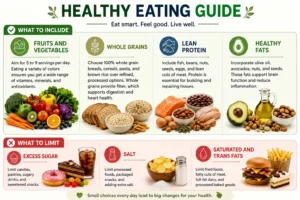
What to include:
-
Fruits and vegetables: Aim for 5 to 9 servings per day. Eating a variety of colors ensures you get a wide range of vitamins, minerals, and antioxidants.
-
Whole grains: Choose 100% whole grain breads, cereals, pasta, and brown rice over refined, processed options. Whole grains provide fiber, which supports digestion and heart health.
-
Lean protein: Include fish, beans, nuts, seeds, eggs, and lean cuts of meat. Protein is essential for building and repairing tissues.
-
Healthy fats: Incorporate olive oil, avocados, nuts, and seeds. These fats support brain function and reduce inflammation.
What to limit:
-
Excess sugar
-
Salt
-
Saturated and trans fats
These can negatively impact your health when consumed in excess. Processed foods, sugary drinks, and fried items are common sources.
2. Stay Hydrated
Water is essential for virtually every bodily function. It regulates body temperature, lubricates joints, prevents infections, delivers nutrients to cells, and keeps organs functioning properly.
How much to drink:
Aim for around 2 liters of total fluid intake per day. Water is the best option, but unsweetened teas, coffee, and milk also contribute. Fruits and vegetables with high water content, like cucumbers, watermelon, and oranges, can help you stay hydrated as well.
Signs you may not be drinking enough:
-
Dark yellow urine
-
Dry skin
-
Fatigue
-
Headaches
-
Dizziness
If you experience these symptoms, increase your fluid intake gradually.
3. Exercise Regularly
Physical activity is one of the most effective ways to improve your health. It strengthens your heart, builds muscle, supports bone health, and boosts mental wellbeing.
How much exercise you need:
-
Moderate activity: At least 150 minutes per week. Examples include brisk walking, swimming, or cycling.
-
Vigorous activity: 75 minutes per week. Examples include running or high-intensity interval training.
Strength training: Aim to incorporate strength training at least twice per week. This includes weightlifting, resistance band exercises, or bodyweight movements like push-ups and squats.
Other options: Yoga and Pilates are excellent for building balance, flexibility, and strength while also reducing stress.
4. Get Enough Sleep
Sleep is when your body and brain recharge. Chronic sleep deprivation is linked to weight gain, weakened immunity, poor concentration, and increased risk of chronic disease.
How much sleep you need:
Most adults require 7 to 9 hours per night. Consistent, quality sleep is more important than simply being in bed for the right number of hours.
Tips for better sleep:
-
Stick to a consistent sleep schedule, even on weekends
-
Limit screen time at least one hour before bed
-
Avoid caffeine and heavy meals late in the day
-
Create a cool, dark, and quiet sleep environment
-
Establish a relaxing pre-bed routine, such as reading or gentle stretching
5. Manage Stress Levels
Chronic stress affects nearly every system in your body. It can disrupt digestion, weaken immunity, increase blood pressure, and contribute to anxiety and depression.
Effective stress management techniques:
-
Meditation: Even 5 to 10 minutes of daily meditation can lower stress hormones.
-
Deep breathing: Slow, deep breaths activate the parasympathetic nervous system and promote calm.
-
Time in nature: Walking outdoors, especially in green spaces, reduces cortisol levels.
-
Hobbies: Engaging in activities you enjoy provides a mental break from daily pressures.
Social connections: Spending time with friends, family, or community groups buffers against stress. If you are struggling, talking to a mental health professional can provide additional support.
6. Avoid Smoking and Secondhand Smoke
Smoking is one of the leading causes of preventable disease and death. It damages nearly every organ and increases the risk of lung disease, heart disease, stroke, and cancer.
Quitting smoking:
The benefits of quitting begin immediately. Within 20 minutes, your heart rate drops. Within a few weeks, circulation improves. Over time, your risk of chronic disease decreases significantly.
Avoid secondhand smoke: Even if you do not smoke, exposure to secondhand smoke poses health risks. Make your home and car smoke-free spaces.
7. Practice Proper Hygiene
Good hygiene prevents the spread of illness and supports overall health.
Key hygiene practices:
-
Handwashing: Wash your hands thoroughly with soap and water, especially before eating, after using the restroom, and after being in public spaces.
-
Oral care: Brush your teeth twice daily and floss once per day to prevent gum disease and tooth decay.
-
Bathing: Regular bathing keeps skin clean and prevents body odor and infections.
Food safety: Wash produce before eating, store food at proper temperatures, and avoid cross-contamination when preparing raw meat.
8. Stay Up to Date on Health Screenings
Preventive care catches health issues early, when they are most treatable.
General screenings:
-
Blood pressure: At least once per year
-
Cholesterol: Every 4 to 6 years for adults, or more frequently if you have risk factors
-
Blood sugar: Regular testing for those at risk of diabetes
For women: Regular pap smears and mammograms as recommended by your healthcare provider.
For men: Prostate exams and screenings as appropriate for your age and risk factors.
Dental and vision: Regular dental cleanings and eye exams are also essential parts of preventive care.
9. Make Preventative Health a Priority
Prevention is always better than treatment. In addition to screenings, focus on lifestyle habits that reduce your risk of chronic disease.
What you can do:
-
Maintain a healthy weight
-
Exercise regularly
-
Do not smoke
-
Limit alcohol consumption
-
Eat a diet rich in vegetables, fruits, whole grains, and healthy proteins
These habits lower your risk of diabetes, heart disease, stroke, and certain cancers. They also reduce healthcare costs over time.
10. Stay Socially and Mentally Engaged
Your mental and emotional health are just as important as your physical health. Loneliness, isolation, and lack of purpose are linked to poorer health outcomes.
What helps:
-
Hobbies: Activities you enjoy give you a sense of meaning and joy.
-
Socializing: Spending time with others prevents cognitive decline and improves longevity.
-
Volunteering: Helping others benefits your community and provides emotional rewards.
-
Pursuing passions: Work, relationships, and causes you care about contribute to a fulfilling life.
Staying engaged keeps your mind sharp and your spirits high.
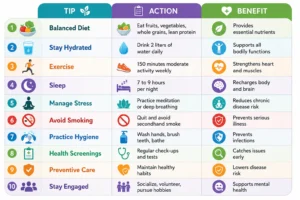
Quick Reference: 10 Healthy Lifestyle Tips
FAQs
How can I tell if I am living a healthy lifestyle?
Indicators include having consistent energy throughout the day, handling stress well, sleeping soundly, maintaining a healthy weight, meeting exercise targets, and making nutritious dietary choices consistently.
What are 5 daily habits I can adopt for better health?
Stay well hydrated, eat plenty of fruits and vegetables, go for a 30-minute walk, practice a stress management technique for 10 minutes, and prepare balanced meals instead of relying on fast food.
What are signs I may be adopting an extreme or unhealthy diet?
Signs include cutting out entire food groups long-term, feeling overly fatigued, experiencing drastic weight loss, constantly thinking about food, and developing nutritional deficiencies that require supplements.
How important are check-ups for maintaining health?
Regular check-ups and preventive screenings are very important for detecting issues early and establishing a baseline for normal health measurements. This allows your doctor to notice when something may be off down the road.
Can walking really improve my health as much as going to the gym?
Yes. Studies show that walking just 20 minutes three times per week helps with weight loss, lowers blood pressure, reduces the risk of type 2 diabetes, and improves mood.
Is juice or soda okay to drink daily if I am otherwise healthy?
It is best to avoid drinking juice or soda daily. Both contain significant sugar without the beneficial fiber found in whole fruits and vegetables. Excess sugar is linked with weight gain, insulin resistance, fatty liver disease, and tooth decay.
How can I realistically stick to a healthier lifestyle long term?
Focus on gradual, sustainable changes rather than demanding perfection. Add healthy habits rather than focusing on restriction. Stay accountable with a friend, track your habits, celebrate small wins, and be compassionate with yourself throughout the process.
Conclusion
Embracing a healthy lifestyle is a journey, not a destination. It involves making positive choices in various aspects of your daily routine, from nutrition and hydration to exercise, sleep, and stress management. Each small step contributes to your overall well-being.
Avoiding harmful habits, practicing proper hygiene, staying up to date on health screenings, and prioritizing preventative care are equally important. The key is consistency, not perfection.
Listen to your body. Prioritize self-care. Engage in activities that bring joy and purpose to your life. A healthy lifestyle enhances not only your physical health but also your mental and emotional resilience.
Start with one or two changes. Build from there. Celebrate your progress. And remember: the best time to begin is now.