



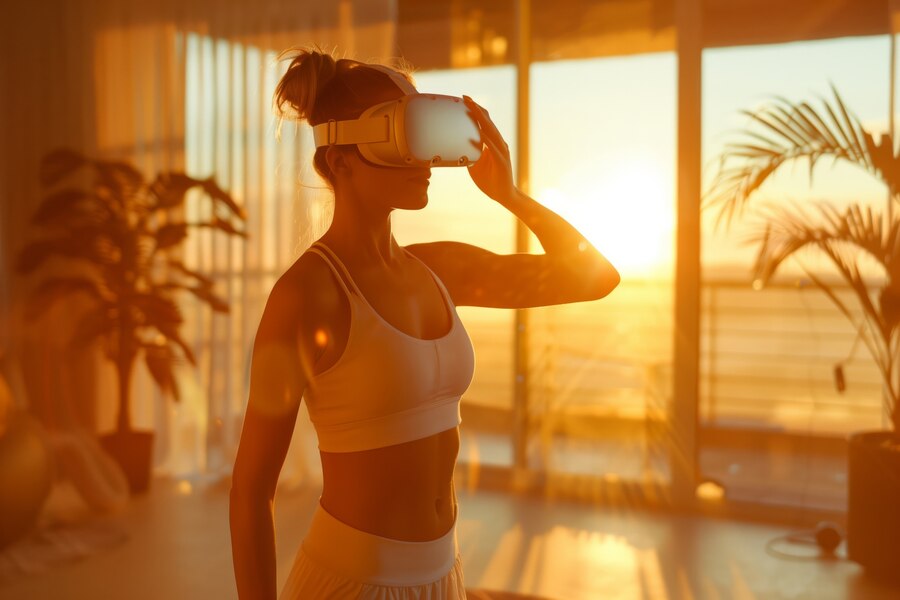
Technology is no longer just about convenience. It is transforming the way we approach health and wellness. From smartwatches that track your heart rate to meditation apps that guide you through stressful moments, wellness tech is reshaping self-care. This growing trend helps people lead healthier, more balanced lives by making wellness data accessible and actionable.
If you are curious about how gadgets and apps can improve your wellbeing, this guide will walk you through everything you need to know.
What Is Wellness Tech?
Wellness tech refers to gadgets, apps, and digital platforms designed to enhance physical and mental health. These tools use sensors, artificial intelligence, and data analytics to provide personalized insights. They make self-care more accessible than ever before.
Wellness tech includes:
-
Wearable devices like fitness trackers and smartwatches
-
Mobile apps for meditation, sleep tracking, and nutrition
-
Smart home devices like air purifiers and sleep monitors
-
Digital health platforms that connect you with healthcare professionals
The goal is not to replace traditional healthcare but to complement it by empowering individuals to take charge of their own health.
Why Wellness Tech Is Trending
Several factors are driving the rapid growth of wellness technology.
Increased Health Awareness: People are prioritizing health like never before. The pandemic accelerated this trend, making remote health monitoring and self-care essential.
Busy Lifestyles: Modern life leaves little time for lengthy gym sessions or meditation classes. Wellness tech offers solutions that fit into hectic schedules.
Advancements in AI: Artificial intelligence enables personalized recommendations and real-time tracking. Devices can now learn from your behavior and adjust their guidance accordingly.
Pandemic Impact: COVID-19 highlighted the importance of remote health monitoring. People became more comfortable using technology to track vital signs and manage chronic conditions from home.
Affordability and Accessibility: Wellness tech is more affordable and widely available than ever. You do not need a medical degree to understand your health data.
Popular Wellness Tech Gadgets
The wellness tech market offers something for everyone. Here are some of the most popular categories and devices.
| Category | Examples | Key Features |
|---|---|---|
| Fitness Trackers | Fitbit, Garmin, Whoop | Activity tracking, heart rate monitoring, sleep analysis |
| Smartwatches | Apple Watch, Samsung Galaxy Watch | ECG, blood oxygen monitoring, fitness tracking |
| Smart Scales | Withings, Renpho | Weight, body fat percentage, muscle mass |
| Meditation Apps | Headspace, Calm | Guided meditations, sleep stories, breathing exercises |
| Wearable ECG Monitors | KardiaMobile | Heart rhythm analysis, AFib detection |
| Sleep Tech | Oura Ring, Sleep Number | Sleep quality tracking, temperature monitoring |
| Air Purifiers | Dyson, Coway, Levoit | Indoor air quality improvement, allergen reduction |
| Smart Water Bottles | HidrateSpark | Hydration tracking, water intake reminders |
Benefits of Wellness Tech
Wellness tech offers tangible benefits that make self-care more effective and engaging.
Convenience: Track health metrics anytime, anywhere. You do not need to visit a doctor or clinic for basic monitoring.
Personalization: Get insights tailored to your body, goals, and lifestyle. Devices learn from your data and provide customized recommendations.
Motivation: Regular updates, achievements, and progress tracking keep you engaged. Seeing improvement encourages you to stick with healthy habits.
Preventive Care: Early warnings about unusual heart rhythms, sleep patterns, or activity levels can prompt medical consultations before issues become serious.
Accountability: Sharing your progress with friends, family, or online communities provides social support and encourages consistency.
How to Incorporate Wellness Tech Into Your Life
Adopting wellness tech does not have to be overwhelming. Here is how to start.
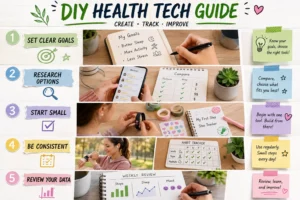
Set Clear Goals:
Decide what you want to achieve. Is it better sleep? Increased activity? Stress reduction? Knowing your goals helps you choose the right tools.
Research Options:
Read reviews, compare features, and consider your budget. Not every device suits every person. Look for tools that align with your specific needs.
Start Small:
Begin with one gadget or app to avoid feeling overwhelmed. Once you are comfortable, you can add more tools gradually.
Be Consistent:
Use your devices and apps regularly. Consistency is the key to seeing meaningful results and understanding your health patterns.
Review Your Data:
Set aside time weekly or monthly to review your health data. Look for trends and adjust your habits accordingly.
Challenges and Considerations
While wellness tech offers many benefits, it is not without challenges. Being aware of these helps you use the tools effectively and responsibly.
Data Overload:
Too much information can be confusing. Focus on a few key metrics rather than trying to track everything.
Privacy Concerns:
Health data is sensitive. Ensure the tools you use have robust data protection policies. Read privacy statements and understand how your data is stored and shared.
Cost:
High-quality wellness tech can be expensive. Consider whether the investment aligns with your health goals and budget.
Accuracy:
No consumer device is 100% accurate. Use wellness tech as a guide, not as a medical diagnostic tool.
Dependence:
Relying too heavily on technology can sometimes reduce your connection with your own body. Balance tech-driven insights with self-awareness and intuition.
The Future of Wellness Tech
The wellness tech industry continues to evolve rapidly. Advancements in artificial intelligence and machine learning are making devices smarter and more intuitive.
What to expect:
-
Better integration with healthcare systems: Devices may eventually share data directly with healthcare providers.
-
Virtual wellness coaches: AI-powered assistants that provide real-time guidance and support.
-
More personalized experiences: Devices will learn individual patterns and adapt their recommendations accordingly.
-
Improved accuracy: Sensors and algorithms will continue to improve.
-
Expanded accessibility: Lower costs and simpler interfaces will make wellness tech available to more people.
The future of wellness tech is about creating seamless, proactive health management rather than reactive care.
Quick Reference: Wellness Tech at a Glance
| Aspect | Details |
|---|---|
| Definition | Gadgets and apps designed to enhance physical and mental health |
| Key Drivers | Health awareness, busy lifestyles, AI advancements, pandemic impact |
| Popular Devices | Fitness trackers, smartwatches, smart scales, meditation apps |
| Benefits | Convenience, personalization, motivation, preventive care |
| Challenges | Data overload, privacy concerns, cost, accuracy limitations |
| Future Trends | AI integration, virtual coaches, better healthcare connectivity |
FAQs
Are fitness trackers accurate?
Fitness trackers provide useful trends and insights, but they are not 100% accurate. They are best used as a guide rather than a medical diagnostic tool.
Can wellness tech replace a doctor?
No. Wellness tech complements healthcare but does not replace professional medical advice. Always consult a doctor for diagnosis and treatment.
What is the best wellness app?
The best app depends on your goals. MyFitnessPal is popular for nutrition tracking. Calm and Headspace are excellent for meditation and stress management.
Is wellness tech suitable for seniors?
Yes. Many wellness tech devices are user-friendly and beneficial for older adults. Features like fall detection and heart monitoring can provide peace of mind.
Do these gadgets require subscriptions?
Some do, especially apps that offer premium content. However, many devices and apps offer free versions with basic features.
How do I protect my health data?
Use reputable brands with clear privacy policies. Avoid sharing sensitive data on unsecured platforms. Read the terms of service before using any wellness app or device.
Can kids use wellness tech?
Yes. There are kid-friendly fitness trackers and mindfulness apps designed specifically for younger users. Always supervise children’s use of wellness technology.
Are wearable devices safe?
Generally, yes. However, consult your doctor if you have a pacemaker or other implanted device. Some wearables may interfere with medical equipment.
Wellness tech is more than a trend. It is a practical response to the challenges of modern life. These tools make self-care more accessible, personalized, and engaging. They help you understand your body, track your progress, and make informed decisions about your health.
The key is to use wellness tech as a support system, not a crutch. Let it guide and motivate you, but stay connected to your own body and intuition. Start small, choose tools that align with your goals, and use them consistently.
With the right approach, wellness tech can help you build healthier habits, reduce stress, and live a more balanced life. The future of self-care is here, and it is smarter than ever.