



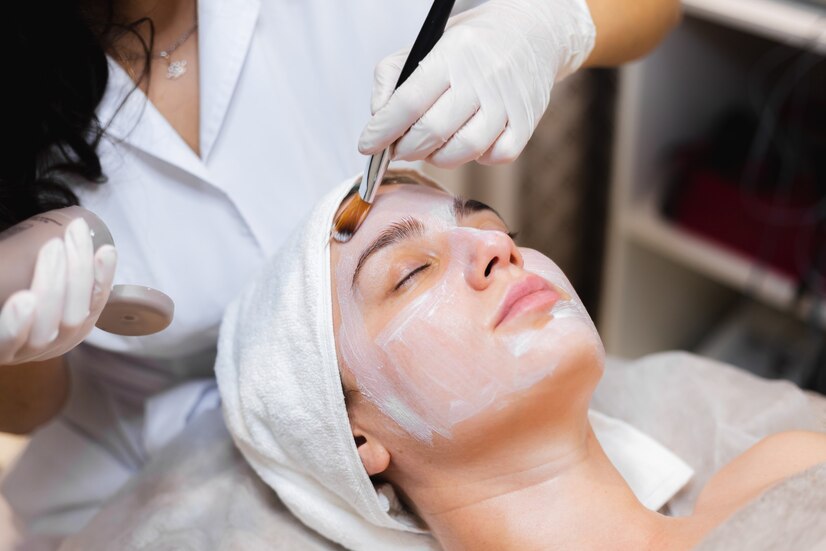
Dermaplaning has exploded in popularity as one of the most effective instant-glow treatments available. Unlike chemical peels or laser resurfacing, this physical exfoliation method delivers immediate results with virtually no downtime. The treatment sweeps away dead skin cells and vellus hair, often called peach fuzz, leaving behind skin that feels like silk and reflects light beautifully. But once the aesthetician packs away the blade and you catch a glimpse of your radiant reflection, a practical concern takes over. Can you reach for your foundation and concealer right away, or will that undo all the benefits you just paid for?
The answer is more nuanced than a simple yes or no. Here is the complete, expert-backed guide to navigating makeup application after dermaplaning, including exactly what to put on your skin, what to avoid, and how long you should truly wait.
Understanding What Dermaplaning Does to Your Skin
To understand the makeup rules, you first need to understand what actually happened during your treatment. Dermaplaning is a manual exfoliation technique where a certified aesthetician or dermatologist uses a sterile, surgical-grade scalpel to gently scrape away the outermost layer of dead skin cells and the fine vellus hair that grows on the surface of your face.
This is not a superficial brush. The blade removes approximately two to three weeks worth of built-up cellular debris in a single session. The stratum corneum, which is your skin’s protective outer shield, is temporarily thinned. Beneath that lies fresh, undamaged skin cells that have never been exposed to the environment in quite this way before.
This newly exposed layer is incredibly receptive to skincare products, which is why estheticians recommend layering on hydrating serums right after treatment. However, that same receptivity comes with a downside. Your skin barrier is temporarily compromised, meaning it is more sensitive, more permeable, and significantly more vulnerable to irritation, bacteria, and UV damage than it would be on an ordinary day.
Can You Apply Makeup Immediately After Dermaplaning?
Technically, you can apply makeup right after your appointment, but you absolutely should not. Your skin has just undergone physical trauma, however gentle and controlled it was. The micro-abrasions created by the blade are invisible to the naked eye, but they are open pathways for bacteria and irritating ingredients to enter deeper layers of the skin.
Celebrity esthetician Renee Rouleau, who has over 30 years of experience treating clients with all skin types, explains the risk clearly. She states that applying makeup too soon after dermaplaning can lead to breakouts and irritation because the pores are essentially open and the skin is in a compromised state. She advises waiting at least 24 hours to allow the micro-wounds to begin their natural healing process.
Board certified dermatologist Dr. Dendy Engelman echoes this advice. She emphasizes that the skin loses a significant amount of moisture during dermaplaning because the barrier is stripped. When you add makeup on top of skin that is already dehydrated and vulnerable, you risk trapping bacteria and creating a breeding ground for infection. She recommends focusing solely on hydration and sun protection for the first day after treatment.
The Ideal Waiting Window: How Long Is Long Enough?
The professional consensus varies slightly, but there is a clear range that most experts agree upon. Aestheticians and dermatologists typically recommend waiting anywhere from 24 to 48 hours before applying any makeup products to the treated area.
The specific waiting period depends on several factors. Your individual skin sensitivity plays a major role. If you have naturally reactive skin or a history of rosacea or eczema, leaning toward the 48-hour mark is a safer choice. The depth of your treatment also matters. Some practitioners perform a more intensive exfoliation than others, which may require a longer recovery period.
According to a 2020 clinical review published in the Journal of Clinical and Aesthetic Dermatology, the skin barrier begins to show significant recovery within 24 hours of mechanical exfoliation, but complete barrier function restoration typically takes up to 72 hours. This means that while you may be safe to apply makeup at the 24-hour mark, your skin will still be more sensitive than usual, requiring you to be incredibly selective about the products you choose.
What Happens If You Apply Makeup Too Early?
Skipping the waiting period is a gamble that rarely pays off. Here is what can happen when you apply foundation, concealer, or powder before your skin has adequately recovered.
The most common reaction is contact dermatitis, which manifests as redness, itching, and small bumps. The fragrances, preservatives, and pigments in makeup can easily irritate freshly exfoliated skin. You may also experience comedonal breakouts. Your pores are more exposed and can become clogged by ingredients that would normally sit harmlessly on top of your skin.
Worse, you risk introducing bacterial infections. Your skin has microscopic abrasions that allow bacteria from your makeup brushes, sponges, or fingers to penetrate the skin. What starts as a small irritation can quickly escalate into a painful, inflamed breakout or even an infection that requires medical attention.
Aesthetician and skincare expert Caroline Hirons has been vocal about this issue in her professional practice. She notes that many clients ruin their dermaplaning results by rushing back to their regular makeup routine. She advises that makeup should be treated as a luxury, not a necessity, for at least the first 24 hours post treatment.
Step by Step Guide to Applying Makeup After Dermaplaning
Once you have successfully waited the recommended period and your skin feels calm and hydrated, you can gradually reintroduce makeup. The approach should be entirely different from your usual routine. Your skin is still in recovery mode, so gentleness and minimalism are your guiding principles.
Start with a Hydrating Serum
Before anything else, apply a hyaluronic acid or ceramide based serum onto damp skin. These ingredients draw water into the freshly exposed cells and support barrier repair. Let the serum absorb completely, which usually takes about two minutes.
Use a Rich Moisturizer
Follow with a fragrance free moisturizer that contains soothing ingredients like panthenol, squalane, or colloidal oatmeal. This provides a protective cushion between your skin and the makeup you are about to apply. Apply a slightly thicker layer than you normally would to compensate for the moisture loss caused by exfoliation.
Apply a Mineral Sunscreen
This step is absolutely non-negotiable. Your skin is at its most vulnerable to UV damage after dermaplaning. Mineral sunscreens containing zinc oxide or titanium dioxide are preferable because they sit on top of the skin and reflect rays rather than being absorbed. Chemical sunscreens can cause stinging and irritation on sensitive post treatment skin.
Buy a mineral sunscreen: CeraVe Hydrating Mineral Sunscreen SPF 30
Choose a Tinted Moisturizer Over Foundation
For the first few days after dermaplaning, swap your heavy foundation for a tinted moisturizer or a light BB cream. These products provide enough coverage to even out your skin tone without sitting heavily on your skin. They are also easier to remove gently at the end of the day.
Buy a gentle tinted moisturizer: Laura Mercier Tinted Moisturizer Oil Free
Use Clean Tools Only
Every brush, sponge, and beauty blender that touches your skin must be freshly washed and sanitized. Dirty applicators harbor bacteria that can easily cause infections on compromised skin. If you are not confident in the cleanliness of your tools, use your clean fingertips to dab and blend your products instead.
Pat, Do Not Rub
Application technique matters more than ever. Instead of swiping or dragging your makeup across your face, use gentle patting and pressing motions. This prevents unnecessary friction and ensures that your makeup settles into the skin smoothly without pulling at the freshly exfoliated surface.
Set with a Hydrating Mist
Skip traditional setting powders, which can look dry and cakey on newly exfoliated skin. Instead, use a hydrating facial mist to set your makeup. This adds a layer of moisture and helps all the products melt together seamlessly.
Buy a hydrating setting mist: Mario Badescu Facial Spray with Aloe and Cucumber
What to Avoid in Your Post-Dermaplaning Makeup Routine
Certain products and ingredients are off limits for at least a week after your treatment, and some should be avoided even longer depending on your skin’s recovery.
Avoid any foundation or concealer labeled as matte, long wearing, or oil controlling. These formulas often contain drying alcohols and powders that will further dehydrate your compromised skin. Avoid products with fragrance, essential oils, or botanical extracts. These are common irritants that can trigger inflammation on freshly exfoliated skin. Stay away from liquid lipsticks or heavy eye makeup that requires harsh removal. Any product that demands vigorous rubbing or using makeup wipes is a problem.
Expert Insight: Dr. Mona Gohara, a board certified dermatologist and associate clinical professor at Yale School of Medicine, warns against using retinoids, vitamin C, and exfoliating acids in any products applied to the skin for at least five to seven days after dermaplaning. She states that these active ingredients can penetrate too deeply into the exposed skin and cause severe chemical burns or prolonged redness. She recommends a very simple regime of cleanser, moisturizer, and sunscreen during the initial healing phase.
How to Safely Remove Makeup After Dermaplaning
Removing your makeup is just as critical as applying it. Your skin is still fragile, and aggressive cleansing can undo your progress.
Use an oil based or balm cleanser. These formulas dissolve makeup without requiring any rubbing or friction. Apply the cleanser to dry skin, massage it gently with your fingertips using small circular motions, then add a few drops of water to emulsify it into a milky texture. Rinse thoroughly with lukewarm water and pat your face dry with a soft, clean towel. Never use makeup wipes. They rely on friction and tugging to remove product, which is the last thing your sensitive skin needs.
Buy a gentle cleansing balm: Clinique Take The Day Off Cleansing Balm
Buy a gentle oil cleanser: DHC Deep Cleansing Oil
Frequently Asked Questions
How soon after dermaplaning can I wear powder makeup?
You can wear finely milled powder makeup after 24 hours, but it should be applied sparingly and only in areas where you need oil control, such as your T zone. Heavy powder layers can settle into the skin and look cakey on freshly exfoliated skin.
Can I use a makeup primer after dermaplaning?
Yes, but choose a primer that is silicone free and hydration focused. A tacky gripping primer may be too heavy and cause congestion. Look for a primer that contains hyaluronic acid or glycerin to add moisture while creating a smooth canvas.
Is it safe to wear SPF under my foundation after dermaplaning?
Absolutely. In fact, sunscreen is the most important product you can apply after dermaplaning. Your skin is highly vulnerable to UV damage, and skipping SPF can lead to new hyperpigmentation that is more difficult to treat than your original concerns.
Can I get microblading or lash extensions after dermaplaning?
No. The mechanical action of microblading involves shallow cuts that can become infected when combined with freshly exfoliated skin. Schedule these services at least two weeks before or after your dermaplaning treatment.
What if my skin feels tight and uncomfortable after applying makeup?
Remove your makeup immediately and return to a bare skin routine with moisturizer only. Your skin is telling you it is not ready. Wait another full day before attempting makeup again and try a lighter product formulation.
Can I use bronzer or blush after dermaplaning?
Yes, but use cream formulations rather than powder. Cream bronzers and blushes blend more easily and contain hydrating ingredients that complement your skin’s needs. Powder products can emphasize dry patches and appear uneven on the skin.
Scientific Perspective on Skin Barrier Recovery
According to research published in the Journal of Clinical and Aesthetic Dermatology in 2021, the epidermal barrier requires approximately 24 to 72 hours to recover from mechanical exfoliation procedures. The study specifically noted that transepidermal water loss, which is the measure of how much moisture evaporates from the skin, peaks immediately after dermaplaning and gradually returns to baseline within two to three days. This scientific evidence supports the professional recommendation to wait at least 24 hours before applying makeup, as barrier function is still compromised during this window.
The American Academy of Dermatology also emphasizes that exfoliated skin is more prone to sun damage and irritation. They recommend using a broad spectrum sunscreen with SPF 30 or higher daily and reapplying every two hours when exposed to sunlight, especially in the days following any exfoliation procedure.
Final Thoughts
Dermaplaning offers one of the most satisfying before and after transformations in skincare. The immediate brightness and smoothness are difficult to resist. However, the temptation to cover your glowing skin with heavy foundation or to rush back to your normal makeup routine can undermine the very results you paid for.
Give your skin the respect it deserves. The 24 to 48 hour waiting period is not an inconvenience. It is an investment in your skin’s health and longevity. When you do reintroduce makeup, treat it as a supplement to your skincare, not a mask to hide behind. Choose lightweight, hydrating formulas. Use clean tools. Remove everything gently at the end of the day. Most importantly, never skip the sunscreen.
Your skin will reward your patience with a radiance that no makeup can replicate. And when you do decide to apply that tinted moisturizer or light foundation, it will glide on more beautifully than ever before, because your canvas is truly flawless.
Medical Disclaimer: This content is for informational purposes only and does not constitute medical advice. Dermaplaning is a cosmetic procedure that should be performed by a trained professional. Individual skin responses vary. See a board-certified dermatologist for persistent skin concerns, unusual reactions, or before undergoing any cosmetic treatment. Do not use this guide as a substitute for professional medical evaluation or your clinician’s specific aftercare instructions.
Disclosure: This post contains external links to products. We are not responsible for third-party website content or availability. Product availability and prices may vary by region and retailer. Always patch test new products on a small area of skin before full application, especially after a treatment like dermaplaning.