



You spot one in the mirror. Then another. Before you know it, those silver strands are multiplying faster than you can pluck them. If you are not ready to embrace the grey or commit to chemical dyes, you might wonder whether diet can make a difference.
The short answer is: it is complicated. Grey hair is primarily driven by genetics, age, and the gradual decline of melanin-producing cells called melanocytes. No single food can reverse that process overnight. However, research does suggest that certain nutritional deficiencies can accelerate greying, and correcting them may support your hair’s natural pigmentation longer than you might expect.
Here are seven superfoods that have shown promise in supporting melanin production and hair health, backed by science and tradition.
1. Amla (Indian Gooseberry)
Amla is one of the most vitamin C-rich foods on the planet. Vitamin C is a potent antioxidant that helps protect melanocytes from oxidative stress, one of the key drivers of premature greying. Ayurvedic tradition has used amla for centuries to support hair health and delay grey strands.
What the science says: Research confirms that amla contains compounds that combat oxidative stress and protect melanocytes, the cells responsible for hair pigmentation. However, there is no strong human evidence showing that eating amla will reverse grey hair once it has appeared. It may help slow the process by supporting overall hair health.

How to use it: Consume amla powder mixed with water on an empty stomach, or apply amla oil to your scalp. Amla is available at Indian grocery stores and online.
2. Black Sesame Seeds
Black sesame seeds are rich in copper, iron, and healthy fats. Copper is a critical mineral for melanin production. Without adequate copper, the enzyme tyrosinase cannot function properly, and melanin synthesis slows down.
What the science says: A study published in the Journal of Life Science found that black sesame extract promoted melanin synthesis in laboratory cells. These results suggest that black sesame may have the potential to support melanin production, though human studies are still lacking.

How to use it: Sprinkle black sesame seeds on salads, mix them into smoothies, or eat a teaspoon soaked overnight. Black sesame oil can also be massaged into the scalp.
3. Almonds
Almonds are packed with vitamin E, biotin, and copper, all of which support hair health. Vitamin E protects cells from oxidative damage, while biotin supports keratin infrastructure.
What the science says: A 2024 review noted that vitamin E-rich foods like almonds can help nourish hair follicles and promote healthy hair growth. Copper, also present in almonds, is required for melanin synthesis. However, there is no scientific evidence that eating almonds alone can reverse grey hair.
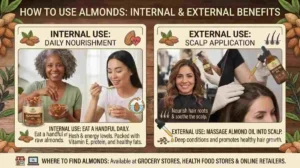
How to use it: Eat a handful of raw or soaked almonds daily. Almond oil can also be massaged into the scalp for added nourishment.
4. Curry Leaves
Curry leaves are a staple in South Asian cooking and have a long history of use in hair care. They are rich in antioxidants, B vitamins, and beta-carotene, all of which support scalp health and may help maintain natural hair pigmentation.
What the science says: Curry leaves have been used traditionally to improve hair texture and maintain natural pigmentation. However, Healthline notes that whether curry leaves can act as a grey hair remedy has not been scientifically validated. The theory is that their antioxidants and B vitamins may support melanin production, but human evidence is lacking.

How to use it: Boil a handful of curry leaves in coconut oil until the leaves turn black. Cool and apply to the scalp twice a week. You can also add fresh curry leaves to your cooking.
5. Walnuts
Walnuts are an excellent source of copper, zinc, and omega-3 fatty acids. Copper supports melanin production, while zinc aids in tissue repair and hair health. Omega-3s nourish the scalp and support overall hair condition.
What the science says: While walnuts are nutritious, there is no clear scientific evidence that they can reverse grey hair. They may help prevent premature greying associated with nutritional deficiencies, but genetics and aging remain the dominant factors.

How to use it: Enjoy a handful of walnuts as a snack or add them to oatmeal, salads, or smoothies.
6. Bhringraj (False Daisy)
Bhringraj, also known as false daisy or Eclipta alba, is often called the “king of herbs” for hair in Ayurvedic medicine. It has been used traditionally to promote hair growth, reduce hair fall, and maintain natural hair color.
What the science says: Health.com reports that bhringraj contains natural darkening agents, and consistent usage may help hair appear less grey. A review published in the Journal of Advances in Ayurveda highlights bhringraj as one of several herbal remedies with potential for delaying premature greying. However, human clinical trials are limited.
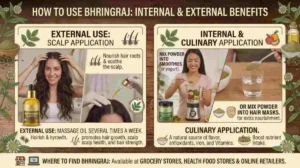
How to use it: Apply bhringraj oil to the scalp several times a week. Bhringraj powder can also be consumed or mixed into hair masks.
7. Wheatgrass
Wheatgrass is a concentrated source of chlorophyll, vitamins, and minerals. Some proponents claim that its chlorophyll content can help restore natural hair color and prevent greying.
What the science says: Dr. Andrew Weil, a prominent integrative medicine physician, is skeptical. He notes that chlorophyll has no nutritional role in the human body, and there is no evidence that wheatgrass can prevent hair from going grey. While wheatgrass is nutritious, its anti-greying claims remain unproven.
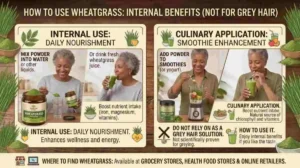
How to use it: If you enjoy it, drink wheatgrass juice or add wheatgrass powder to smoothies. Do not rely on it as a grey hair solution.
Quick Reference: Superfoods and Their Role in Hair Pigmentation
| Superfood | Key Nutrient | Potential Role | Scientific Evidence |
|---|---|---|---|
| Amla | Vitamin C, antioxidants | Protects melanocytes from oxidative stress | Limited human evidence |
| Black Sesame Seeds | Copper, iron | Supports melanin synthesis | Promising cell studies |
| Almonds | Vitamin E, copper, biotin | Nourishes hair follicles | Indirect evidence only |
| Curry Leaves | Antioxidants, B vitamins | May support melanin production | Not scientifically validated |
| Walnuts | Copper, zinc, omega-3s | Supports hair health | No direct evidence |
| Bhringraj | Natural darkening agents | May reduce grey appearance | Traditional use, limited trials |
| Wheatgrass | Chlorophyll, vitamins | Claimed anti-greying effect | No supporting evidence |
What to Avoid
-
Relying on superfoods alone: No food can reverse grey hair caused by genetics or aging. A balanced diet supports overall health, but it is not a cure for greying.
-
Over-supplementing: Taking high doses of copper or other minerals without medical supervision can be harmful. Copper toxicity is a real risk.
-
Ignoring underlying conditions: Premature greying can sometimes signal thyroid disorders, vitamin B12 deficiency, or other health issues. Consult a doctor if you notice sudden or early greying.
How Else Can You Support Hair Pigmentation?
Beyond diet, these habits can help:
-
Manage stress: Chronic stress has been linked to premature greying through its effects on melanocyte stem cells.
-
Protect your scalp from UV damage: Sun exposure accelerates oxidative stress. Wear a hat or use scalp sunscreen.
-
Avoid smoking: Smoking is associated with premature greying.
-
Treat your hair gently: Avoid harsh chemical treatments and excessive heat styling.
-
Get regular check-ups: Rule out nutritional deficiencies or thyroid issues that may contribute to greying.
The Bottom Line
There is no magic superfood that will turn grey hair black overnight. Grey hair is a complex process driven primarily by genetics and aging. However, a nutrient-rich diet that includes amla, black sesame seeds, almonds, curry leaves, walnuts, and bhringraj may help support your hair’s overall health and potentially slow the progression of greying linked to nutritional deficiencies.
If your grey hair is caused by genetics, no amount of superfoods will reverse it. But these foods are excellent for your health regardless. Enjoy them as part of a balanced diet, and if you are concerned about premature greying, talk to a dermatologist or healthcare provider to rule out underlying causes.